The Sudanese Community in Britain is a social initiative that works to support families, empower women and children, strengthen Sudanese identity, and build partnerships that serve the community in Britain and Sudan.
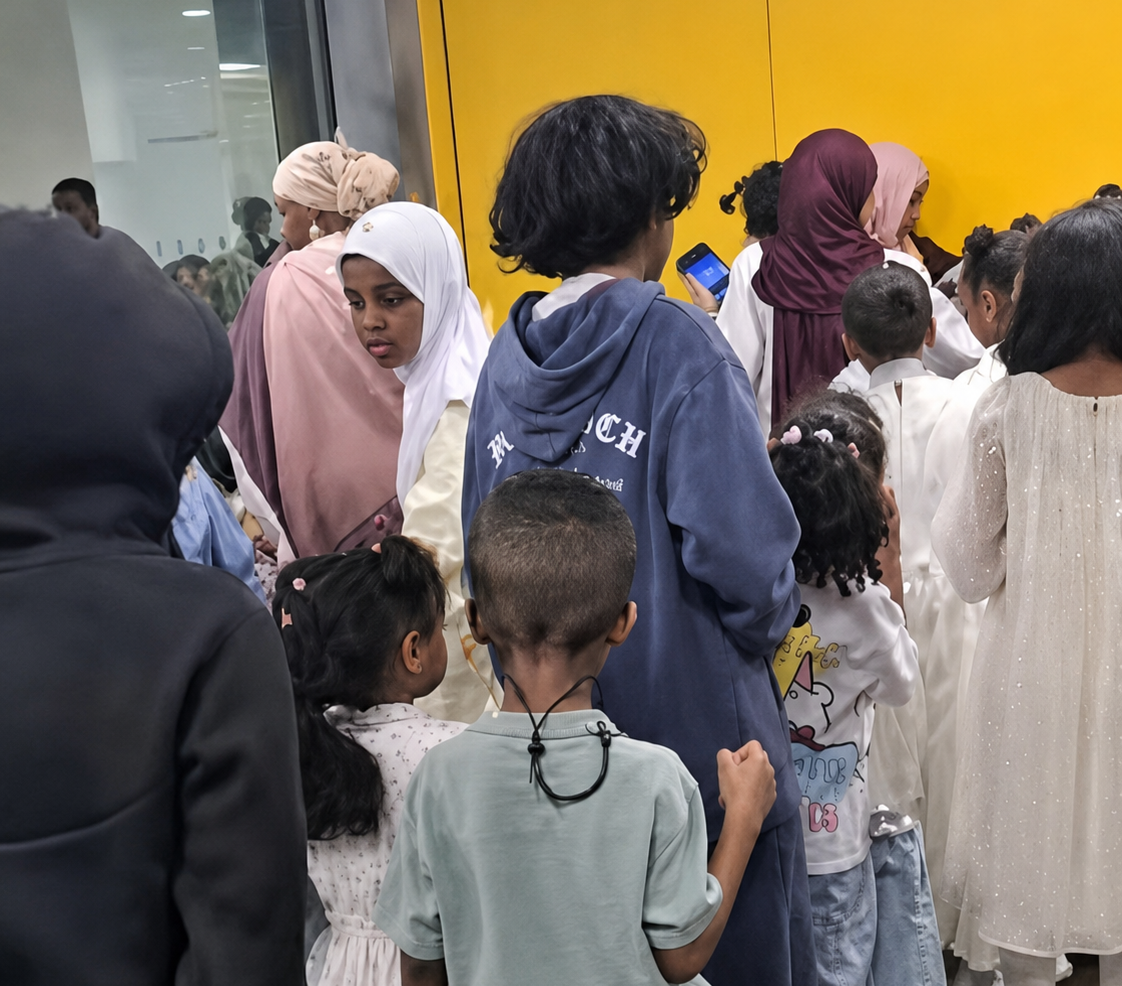
We believe that the strength of any community begins with knowledge, cooperation, and effective support. Therefore, the Sudanese Community in Britain focuses on developing social initiatives that strengthen belonging and create a positive future for future generations.
Educational guidance, health awareness, and programs that connect children and youth with their culture and values.
Collaboration with organizations such as the National Health Service (NHS) to provide reliable knowledge and specialized support.
Humanitarian initiatives that connect Sudanese communities in Britain and Sudan and provide support for those in need.
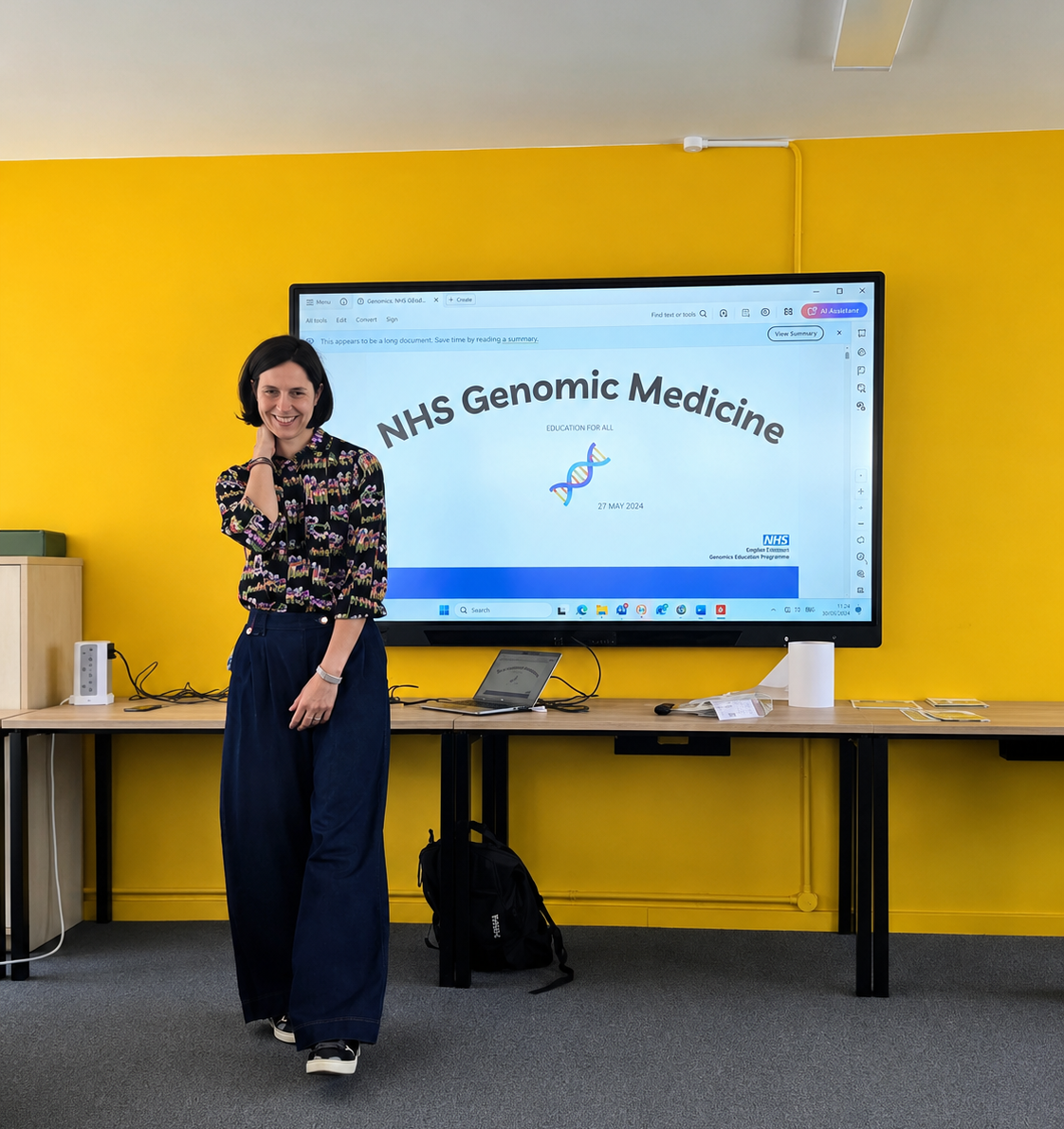
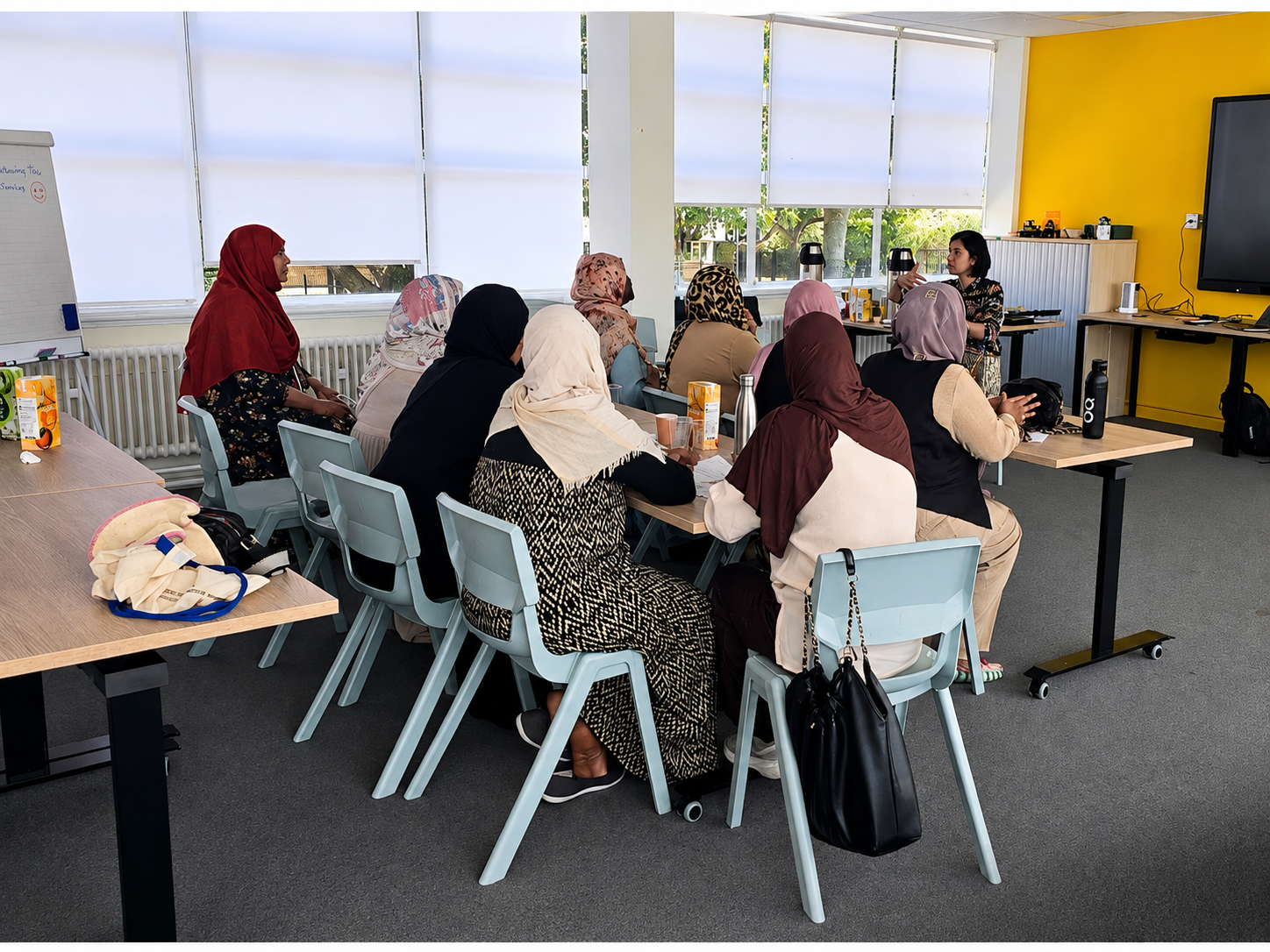
The Education Committee of the Sudanese Community in Britain – London Branch, represented by the Women and Child Department, organized an educational seminar titled “Journey from A Level to SAT” on Saturday, May 30, 2026.
The seminar aimed to support students and their families by providing guidance and practical advice to help them achieve academic goals and excellence within the British education system.
The seminar hosted two specialists in the educational and academic fields:
Ms. Sajida Badri and Ms. Intisar Hassan Omar, who presented valuable insights and practical guidance on the educational process and academic transition for students:
Understanding the Academic Transition Stages:
Clarifying the nature of tests and assessments from the General Certificate of Secondary Education (GCSE) stage to advanced qualifications such as SATs, including preparation methods for students and their families.
Smart Academic Planning:
Discussing how to choose suitable academic subjects based on students’ skills and future goals, and preparing for university admission requirements and future specializations.
The Importance of Family Support and Guidance:
Emphasizing the role of families in supporting students academically, providing practical advice for managing exam pressure, and creating a motivating and balanced learning environment.
The seminar witnessed a remarkable presence and interaction from Sudanese community members, including women and parents in London. The session featured valuable discussions and constructive questions that focused on important details related to academic pathways, curricula, and available options for students.
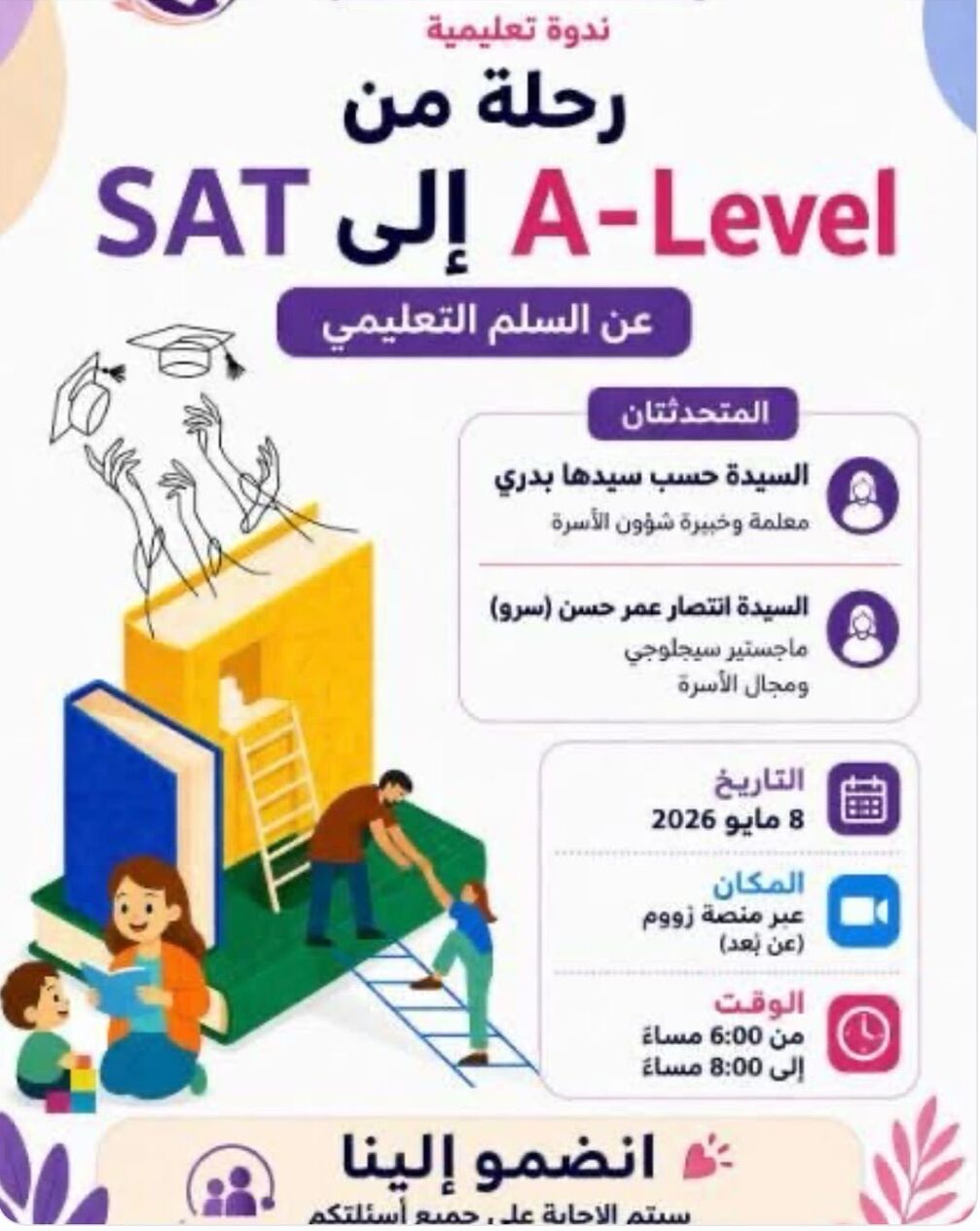
The Sudanese Community in Britain organized a workshop and awareness seminar to highlight hereditary genes and their impact on family health during July 2026.
As part of the community’s commitment to supporting family health and promoting awareness, the committee organized this educational seminar in collaboration with NHS representatives to discuss the topic of hereditary genes and their effects.
The seminar aimed to raise health awareness among women and families by addressing several important topics presented by NHS medical specialists and experts:
Genetic Screening and Prevention:
Highlighting the importance of medical screenings and genetic tests to reduce the spread of certain diseases and enable early detection.
Diagnosis and Proper Planning:
Explaining how to benefit from genetic services and the support and guidance provided by NHS for families.The seminar witnessed remarkable attendance and interaction from Sudanese women in London, where the session provided an opportunity for open discussions and questions about genetic screenings, ways to access specialized healthcare services, and the British healthcare system.
The Sudanese Community in Britain represents an important part of London’s diverse social fabric. It carries a rich cultural and social heritage while seeking to build a stable and active life within British society. The community continues to preserve Sudanese identity through cultural events, social initiatives, and activities that strengthen belonging and encourage interaction with the wider community.
Integration does not mean abandoning cultural identity or traditions; rather, it means actively participating in British society while maintaining cultural values. The Sudanese community in Britain plays an important role in supporting social networks, connecting generations, and introducing Sudanese culture to British society through positive and humanitarian contributions.
London is known for its diversity and rich cultural landscape. Within this environment, the Sudanese community finds an opportunity to engage with multiple cultures, which strengthens the concept of identity as a flexible and evolving element. For Sudanese individuals living in Britain, identity remains connected to memories of home, family, language, and daily traditions across schools, workplaces, and British institutions
Cultural identity serves as a way to preserve collective memory. The Arabic language, Sudanese cuisine, traditional music, social customs, and values of cooperation and respect for others are all important elements that help transfer culture from one generation to another
This role becomes even more significant for the second and third generations of Sudanese children born in Britain. They may have stronger connections with British society through education and social life, but they still need spaces where they can discover their heritage and understand their Sudanese identity as a living cultural experience, not just family memories
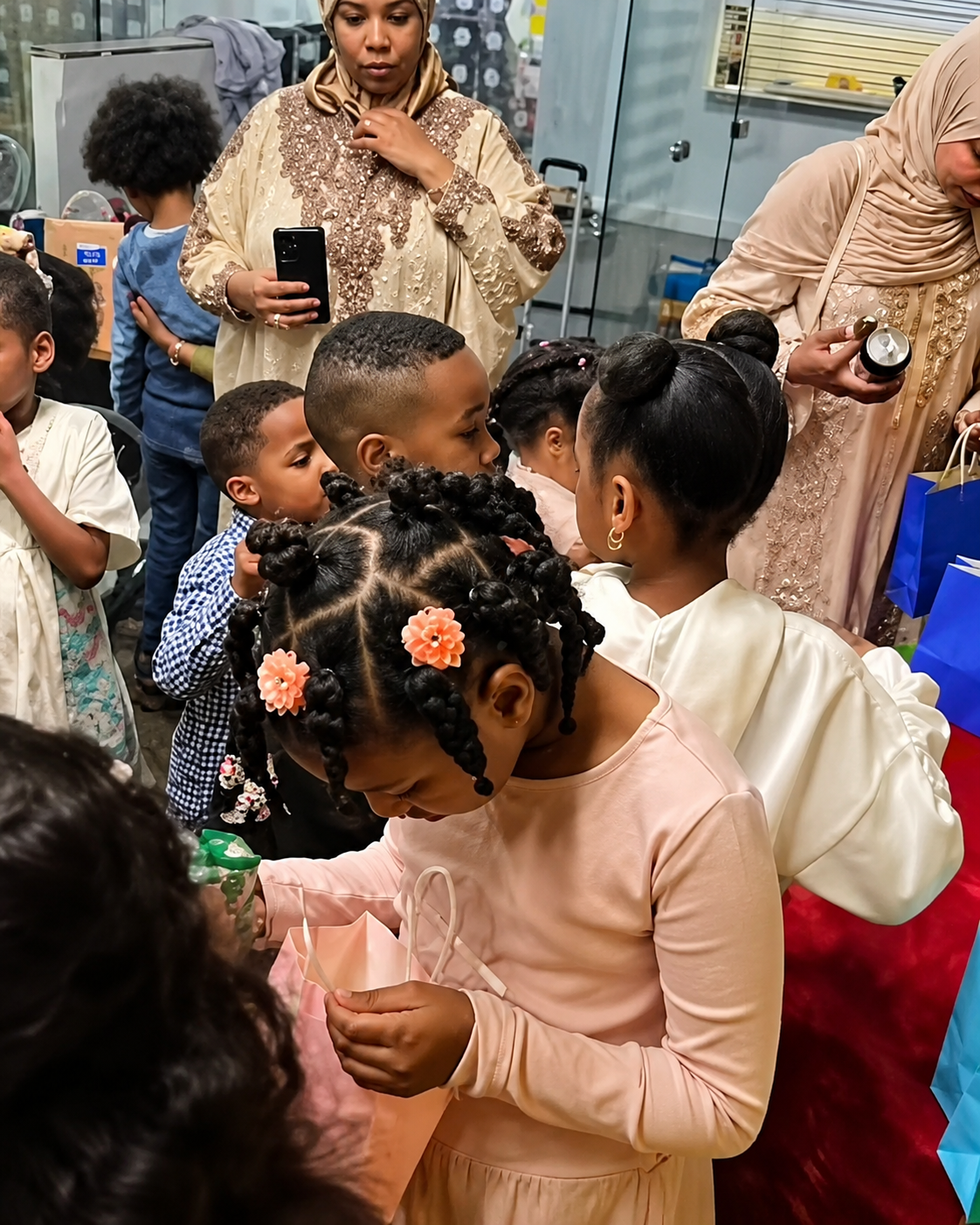
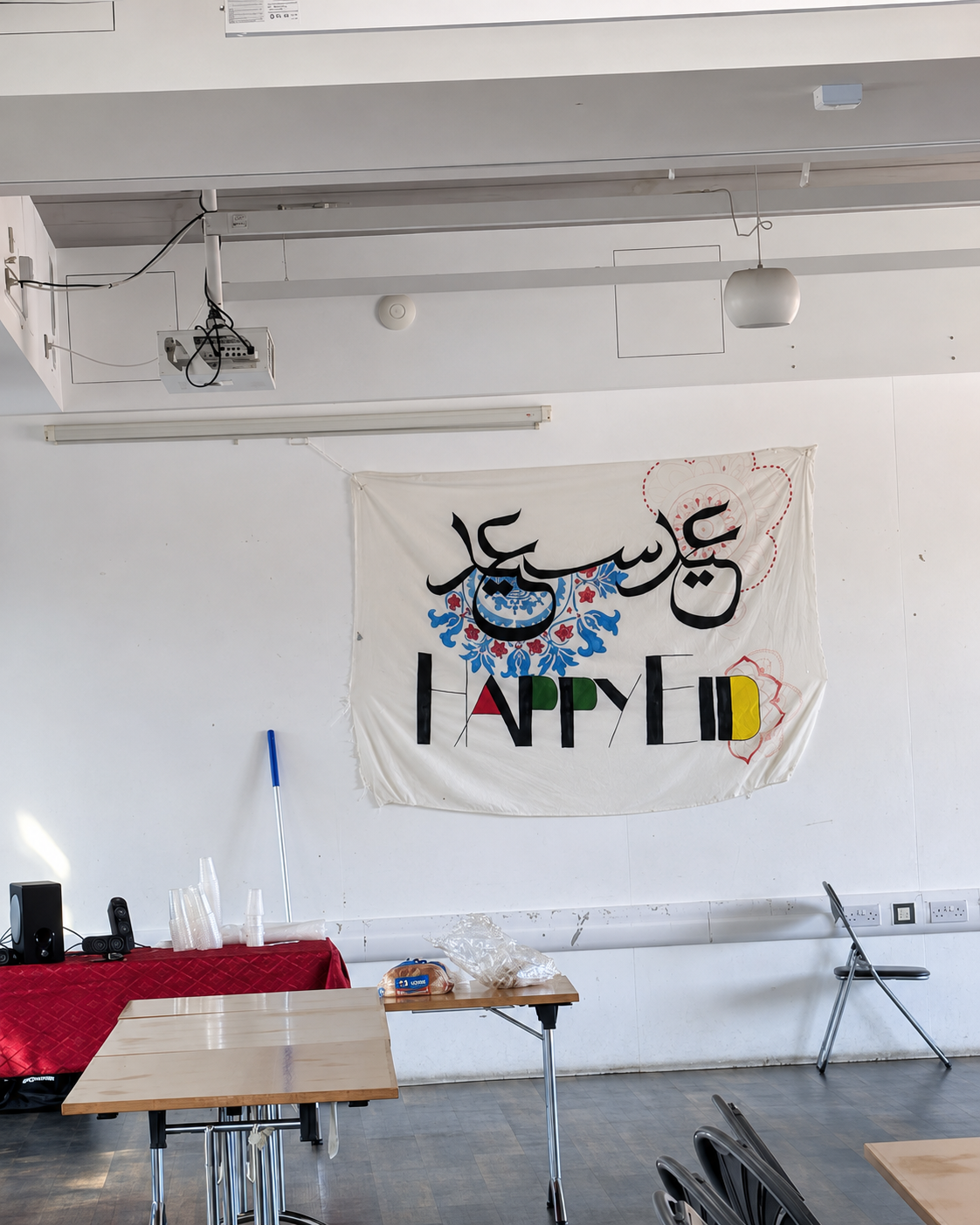
Celebrations play a central role in the life of the Sudanese community, as they provide opportunities for families, friends, and different generations to gather in an atmosphere filled with joy and connection
Major events can become platforms for preserving Sudanese identity, including national and religious occasions, family celebrations, and cultural activities. These events showcase different aspects of Sudanese culture, from traditional clothing and music to popular foods, customs, and stories connected to different regions of Sudan
The value of these celebrations goes beyond entertainment. They strengthen social connections, help children and young people recognize their heritage, and create opportunities to pass memories and traditions from older generations to younger ones
They also represent a way for Sudanese activities to build bridges with British society by introducing others to Sudanese culture and creating opportunities for positive cultural exchange
One of the most important characteristics of the Sudanese community is its spirit of solidarity and social support. Humanitarian initiatives have gained greater importance during difficult times witnessed by Sudan over recent years, whether inside Sudan or among Sudanese communities abroad
These initiatives take many forms, including collecting donations, providing support for families in need, assisting those affected by crises, and offering social support for immigrants and newcomers
In this context, volunteering plays an important role. It does not only provide services to those in need but also gives individuals a sense of belonging and active participation within the community
Sudanese associations, social centers, and cultural organizations play an important role in organizing community life. They provide spaces for gathering, communication, education, and cultural activities
These organizations have gained special importance in Britain, as they serve as a connection point between the Sudanese community and wider society
Through these institutions, community members can access support, participate in activities, and maintain strong social relationships
Youth represent both a challenge and an opportunity. Some young Sudanese people may face difficulties maintaining their connection with Sudanese culture if they do not have suitable spaces to explore it
At the same time, young people have the ability to present Sudanese identity in new ways that fit modern life in Britain
Therefore, involving youth in planning and organizing activities is extremely important. Their participation can include sports, arts, music, digital media, volunteering, and educational programs
Sudanese women play a fundamental role in transferring culture within families and organizing social events and community initiatives.
Women also contribute to creating social support networks for families and organizing activities that bring mothers and children together, while supporting educational and charitable initiatives
Education is one of the most important tools for preserving identity while adapting to a new society. Community initiatives can provide programs that introduce children and youth to Sudanese history, geography, language, arts, and cultural diversity
Families can also encourage children to use Arabic, learn Sudanese stories, listen to traditional music, and participate in cultural activities that strengthen their connection to their heritage
True integration does not mean abandoning identity or becoming isolated within a closed circle. Instead, it is based on mutual participation, where individuals preserve their culture while actively contributing to British society
The presence of the Sudanese community in Britain represents an opportunity to enrich society through music, food, arts, humanitarian work, and cultural experiences, adding diversity to the local cultural landscape
Despite the strength of community relationships, the Sudanese community faces several challenges, including differences between generations in understanding identity, and the decline of Arabic language use among some young people
Another challenge is institutional development, including building stronger organizations, training volunteers, documenting experiences, and creating clear plans for funding and management to ensure sustainable community work
The Sudanese Community in Britain can develop a balanced model based on three connected areas
Preserving identity
Through language, arts, heritage, and cultural activities
Community participation
Through involvement in British society and cooperation with local institutions
Human service
Through volunteering, social support, and assisting families and those in need
The future depends on creating organized programs for children and youth, establishing open cultural spaces for the community, documenting Sudanese history in Britain, and developing digital platforms that bring together news, activities, and educational resources
The experience of the Sudanese community in Britain reveals that identity and migration are not necessarily opposing paths. A person can preserve their memories, language, and culture while building a new future within a different society.
Cultural celebrations and community initiatives remain essential tools for preserving collective memory and transferring values across generations. Meanwhile, social organizations play the role of a bridge connecting the community with British society, helping transform cultural diversity into a source of strength.
Ultimately, the success of the Sudanese community in Britain is not measured only by its ability to preserve its past, but also by its ability to create a sustainable future where its children can proudly be both Sudanese and British. True integration is achieved when identity, diversity, and belonging come together to create a stronger and more inclusive society.
A message of appreciation from Ms. Huda Suleiman, Chairperson of the Sudanese Community in Britain, honoring Dr. Mohamed Abdelrahman for his dedication and contributions during March 2026.
Ms. Huda Suleiman — Chairperson of the Sudanese Community in Britain
Join us by volunteering, sharing your ideas, or reaching out for support and guidance.
One voice serving the Sudanese community in East London, strengthening integration, belonging, and identity.
info@example.com
+44 000 000 0000
East London, United Kingdom
All Rights Reserved © Designed by Qeematech